
Female Gastrointestinal Surgeon in Dhaka
A female gastrointestinal surgeon is a doctor who assesses digestive-system conditions that may need surgical care. Dr. Reshma Aziz provides private consultation for lower gastrointestinal, colorectal, rectal and anal concerns within her documented clinical scope.
Women can discuss rectal bleeding, painful bowel movements, constipation, swelling, discharge or a change in bowel habits privately. The first visit does not automatically lead to surgery.
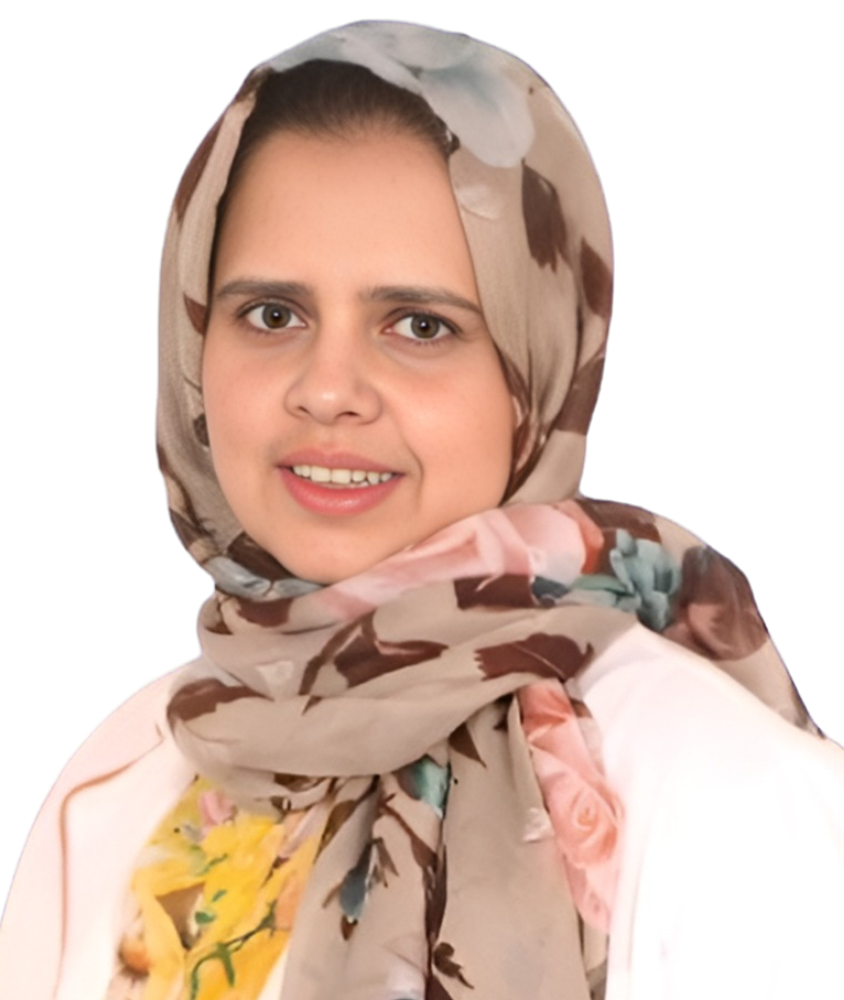
Clinical career since 1996:
Approximately 30 years of clinical work as of 2026
Colorectal qualification:
Postgraduate Diploma in Colorectal Surgery, 2023
Focused training:
Colorectal Surgery training in 2001 and LASER Proctology training in 2023
Verified registration:
Bangladesh Medical & Dental Council, A-24611
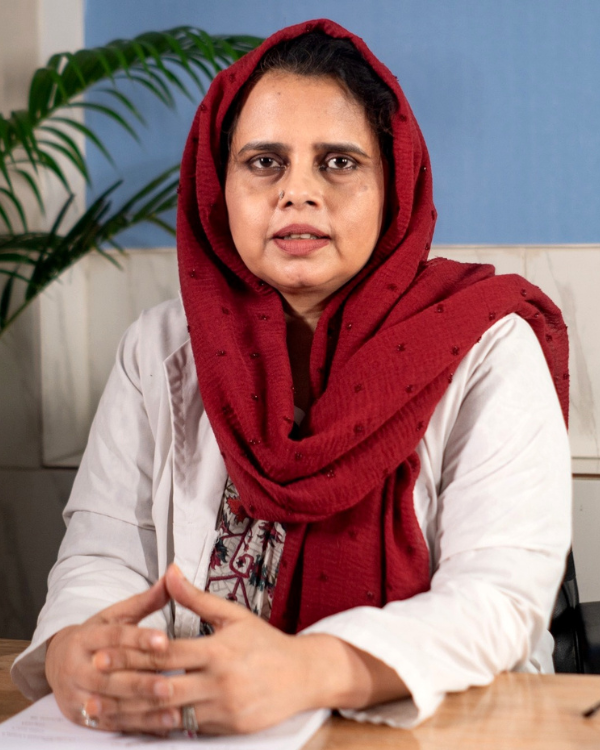
Female Gastrointestinal Surgeon in Dhaka Key Takeaways
What does a lower gastrointestinal surgeon treat?
A lower gastrointestinal surgeon assesses the colon, rectum, anus and nearby tissues. Dr. Reshma Aziz’s documented work includes colorectal surgery, proctology and selected general surgical care.
Patients may consult her for haemorrhoids, anal fissure, fistula, pilonidal sinus, rectal prolapse, constipation, bleeding, pain, itching or discharge. Assessment helps determine whether further investigation or another specialist is needed.
A gastroenterologist generally manages digestive disease medically, while a GI surgeon evaluates conditions that might need a procedure or operation. Many patients need conservative care only.
Which symptoms should you discuss with a gastrointestinal surgery specialist?
1
Rectal bleeding
Bright red blood on tissue, in the toilet or on stool can occur with piles or fissure, but bleeding should not be self-diagnosed.
2
Painful bowel movements
Sharp, burning or lasting pain may be linked to an anal fissure, inflamed haemorrhoid, abscess or another condition.
3
Anal swelling or a lump
A lump that appears after straining may be a prolapsing pile, but examination is needed to identify it correctly.
4
Discharge or recurrent infection
Pus, mucus, staining, a non-healing opening or repeated abscesses can be associated with an anal fistula or infection.
5
Constipation and straining
Hard stool, incomplete emptying and long periods on the toilet can worsen anorectal symptoms and may require bowel-habit assessment.
6
Change in bowel habits
Persistent diarrhoea, constipation, narrower stool, unexplained urgency or a new change from normal deserves medical review.
When should bowel or rectal symptoms be treated as urgent?
Seek prompt medical care for heavy or continuing bleeding, black or tar-like stool, dizziness, faintness, unusual weakness, severe or rapidly worsening abdominal or anal pain, fever, pus, repeated vomiting, abdominal swelling, inability to pass stool or gas, unexplained weight loss, or a persistent change in bowel habit.
These signs do not identify one disease. If symptoms feel severe or life-threatening, go to an emergency department rather than waiting for a routine chamber appointment.
What happens during a private GI surgery consultation?
Step 1: Listen
The visit begins with a private discussion about the symptom, duration, bowel pattern, diet, pregnancy or childbirth history where relevant, previous treatment and personal concerns.
Step 2: Review
The doctor reviews reports, prescriptions, allergies and medicines, including blood thinners and diabetes drugs.
Step 3: Examine
With consent, assessment may include an abdominal examination, visual inspection, digital rectal examination or anoscopy. Gloves, lubricant, a drape, examination light and an anoscope or proctoscope may be used. A chaperone may be requested.
Step 4: Investigate
When indicated, tests may include a blood count, stool test, ultrasonography, flexible sigmoidoscopy, colonoscopy, biopsy or imaging.
Step 5: Plan
The diagnosis, options, limitations, recovery needs and follow-up are explained. Referral is arranged when required.
How is the cause identified before treatment?
Similar symptoms can have different causes. Bleeding may relate to haemorrhoids or fissure, but polyps, inflammation and other bowel disease may need consideration. Pain and discharge may indicate an abscess or fistula.
What treatments may be discussed?
Conservative care may include fibre-rich food, fluids, movement, toilet-habit changes, stool-softening medicine, pain relief or prescribed local treatment.
Selected patients may need an office procedure, drainage, LASER proctology or surgery. Equipment may include an anoscope, proctoscope, electrosurgical unit, surgical laser, suction, sterile instruments, sutures and anaesthesia monitoring. Suitability requires assessment and consent.
Why consult Dr. Reshma Aziz for lower-GI and colorectal concerns?
Dr. Reshma Aziz has worked clinically since 1996. She holds an MBBS, MS in Paediatric Surgery, Postgraduate Diploma in Colorectal Surgery and Master of Public Health. She completed colorectal surgery training in 2001 and LASER Proctology training in 2023.
Her professional history includes Dhaka Shishu Hospital, Apollo Hospital Dhaka, Square Hospitals, Ibn Sina Diagnostic Center and Shifa International Hospitals in Pakistan. She is a consultant in surgery and family practice at Dhaka Lab.
Can women discuss sensitive bowel symptoms privately?
Yes. Women who feel uncomfortable discussing anal or bowel symptoms with a male doctor can speak with Dr. Reshma Aziz privately. The concern is discussed before an examination, and patients can ask questions before consenting.
For patients travelling from Adabor or Shyamoli, the Mohammadpur chamber can reduce the need to cross central Dhaka. Because traffic around College Gate, Mirpur Road and the Shaheed Suhrawardy Medical College Hospital area can be heavy, confirm the serial and allow extra travel time.
Related lower gastrointestinal and colorectal services
Piles Treatment
Assessment of bleeding, itching, prolapse or swelling caused by internal or external haemorrhoids.
Anal Fissure Treatment
Evaluation of sharp pain and bleeding linked to a tear in the anal canal.
Anal Fistula Treatment
Assessment of recurrent abscess, discharge or a persistent tract near the anus.
Rectal Bleeding Evaluation
Diagnosis-led review when bleeding is new, repeated or unexplained.
Constipation Consultation
Review of stool consistency, straining, medicines, diet and warning signs.
Rectal Prolapse Consultation
Assessment when tissue protrudes during or after a bowel movement.
Frequently asked questions
Is a gastrointestinal surgeon the same as a gastroenterologist?
No. A gastroenterologist mainly diagnoses and treats digestive disease medically. A gastrointestinal surgeon evaluates conditions that may require a procedure or operation. The two specialties often coordinate care.
Will I need surgery after the consultation?
Not necessarily. Many anorectal problems can initially be managed with bowel-habit changes, medicines or local care. A procedure is recommended only when the diagnosis and clinical findings support it.
Is LASER treatment suitable for every bowel condition?
No. LASER proctology may be considered for selected anorectal conditions. Suitability depends on the diagnosis, anatomy, severity, previous treatment and overall health.
What should I bring?
Bring prescriptions, test results, colonoscopy or imaging reports, a medicine list and notes about symptom timing. Tell the doctor about pregnancy, allergies, diabetes and blood-thinning medicine.
Can I request a female bowel surgeon?
Yes. Dr. Reshma Aziz provides female-led consultation for colorectal, rectal and anorectal concerns within her clinical scope.
How much does consultation or treatment cost?
Current fees are not published on the official website. Confirm the consultation charge while booking. Procedure costs can be estimated only after diagnosis and treatment planning.
Where can I see Dr. Reshma Aziz in Dhaka?
Dhaka Lab, Mohammadpur
Address: 1/20 Humayun Road, College Gate, Mohammadpur, Dhaka 1207
Landmark: Behind Muktijoddha Tower and opposite Shaheed Suhrawardy Medical College Hospital
Published schedule: Saturday, Tuesday and Thursday, 11:30 AM to 1:30 PM
This chamber is convenient for many patients coming from Mohammadpur, Adabor, Shyamoli, Lalmatia, Dhanmondi, Mirpur Road and nearby areas.
Cure Medical Center & Hospital, Gulshan 2
Address: House 15, Road 42, Gulshan 2, Dhaka 1212
Landmark: Beside Banani 11 Bridge and opposite Lakeshore Hotel
Published schedule: Saturday and Tuesday, 4:00 PM to 6:00 PM
Schedules may change because of operations, emergencies, holidays or hospital duties. Call or message before travelling.
Ready to discuss your symptoms privately?
Book a consultation for an individual assessment and clear next steps. The visit can determine whether you need conservative care, investigation, a procedure or referral.
Medical review required: This draft should be reviewed and approved by Dr. Reshma Aziz before publication. Add the actual medical-review date only after approval.
Medical disclaimer: This page provides general information and does not replace diagnosis, physical examination, treatment or emergency care from a qualified medical professional. Treatment choice, recovery time and outcome differ between patients.