
Female Surgeon in Dhaka
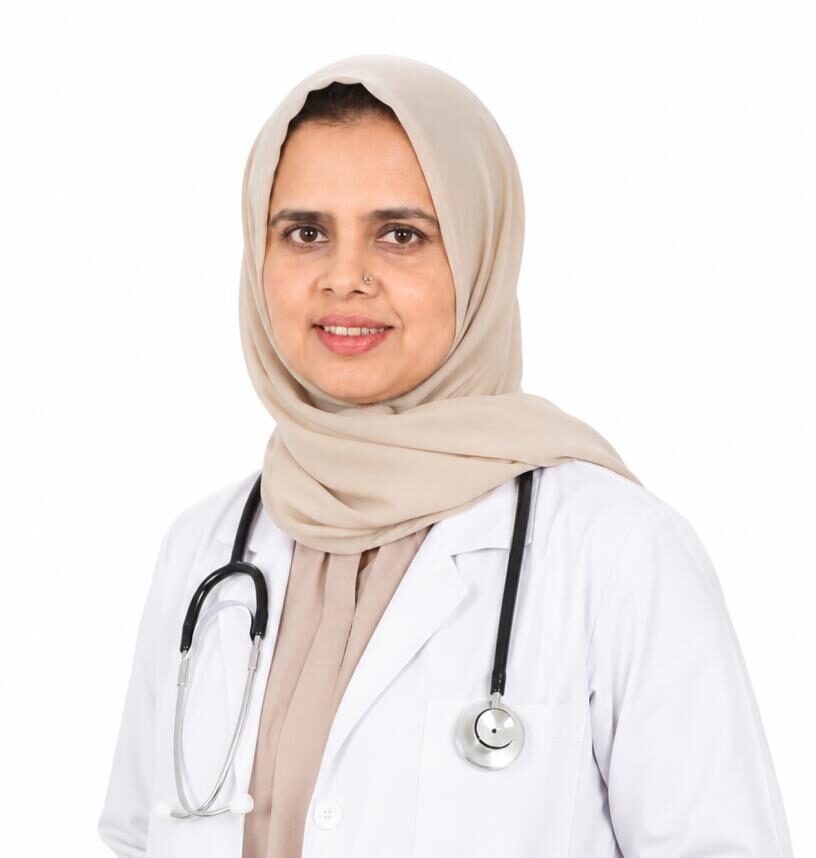
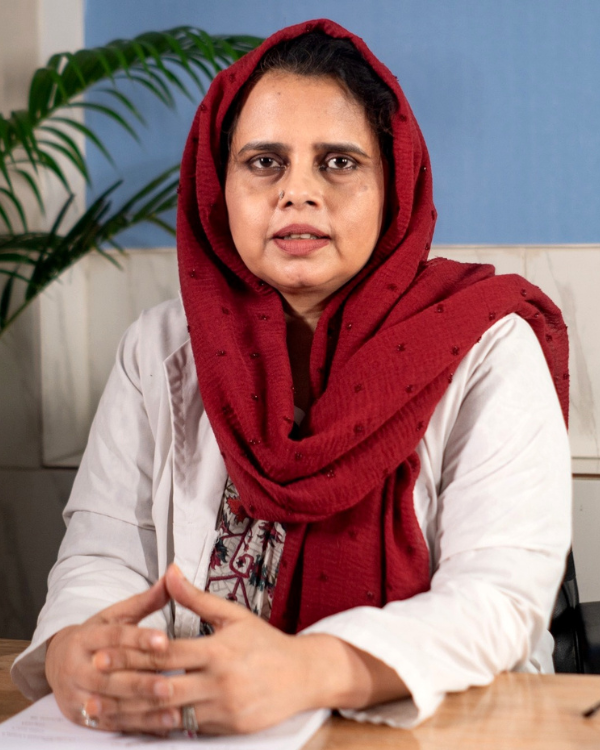
A female surgeon is a medically qualified doctor who assesses surgical symptoms, explains investigations and provides or coordinates treatment within her documented clinical scope. Dr. Reshma Aziz offers private consultation in Dhaka for breast, colorectal, anorectal and selected general or paediatric surgical concerns.
Women can discuss a breast lump, persistent breast pain, nipple discharge, rectal bleeding, piles, anal pain, swelling, constipation or another relevant concern before any examination or treatment decision is made.
- Private and respectful discussion of sensitive symptoms
- Clear explanation of examination, investigation and treatment options
- Consultation at Mohammadpur and Gulshan-2 chambers
Key Takeaways
Dr. Reshma Aziz is a Dhaka-based female surgeon whose documented clinical career began in March 1996 and includes breast, colorectal, anorectal, general and paediatric surgical care.
Her qualifications include MBBS, MS in Paediatric Surgery, a Postgraduate Diploma in Colorectal Surgery and a Master’s in Public Health, with focused training in breast surgery and LASER proctology.
She currently consults at two Dhaka locations: Dhaka Lab in Mohammadpur and Cure Medical Center & Hospital in Gulshan-2.
A surgical consultation does not automatically lead to an operation; the first steps are history, an appropriate examination and any clinically indicated investigation.
The consultation fee and standard appointment duration are not published on the reviewed website; confirm the current fee, serial, expected waiting time and any separate test or procedure charges when booking.
Clinical Career Since 1996
Approximately 30 years of documented clinical work as of 2026 across hospital, outpatient and surgical settings.
Breast and Colorectal Training
Breast surgery training in 1998 and colorectal surgery training in 2001.
Advanced Qualifications
MS in Paediatric Surgery, Postgraduate Diploma in Colorectal Surgery and MPH.
Two Dhaka Chambers
Dhaka Lab in Mohammadpur and Cure Medical Center & Hospital in Gulshan-2.
Supporting trust line: BMDC Registration A-24611 | MBBS | MS | PGD | MPH
What Does a Female Surgeon in Dhaka Help With?
Dr. Reshma Aziz assesses breast symptoms, colorectal and anorectal problems, and selected general or paediatric surgical concerns that fall within her training and current clinical scope. The purpose of the first visit is to understand the problem, decide whether investigation is needed and explain the most appropriate next step.
Patients may seek her opinion for:
Dr. Aziz also has family medicine experience. This can support a broader review when a surgical patient also has diabetes, thyroid disease, high blood pressure or another continuing health condition. If the problem requires a different specialty, investigation or hospital service, referral or coordinated care may be recommended.
Why Do Women Often Look for a Female Surgeon?
Many women delay care because breast and anorectal symptoms feel private or embarrassing. They may worry about explaining nipple discharge, breastfeeding-related breast pain, rectal bleeding, a lump near the anus or symptoms after pregnancy and childbirth. Others want to understand an examination before giving consent.
A female surgeon can offer an option for patients who feel more comfortable discussing these concerns with a woman doctor. Gender alone does not determine clinical suitability. The surgeon’s qualifications, documented scope, experience, registration, communication and access to appropriate investigation should also guide the choice.
Who Is This Consultation For?
This page is intended mainly for women in Dhaka who want an in-person surgical assessment in a private, respectful setting. Patients often travel from Mohammadpur, Adabor and Shyamoli, as well as Lalmatia, Dhanmondi, Kallyanpur, Mirpur, Gulshan, Banani, Baridhara, Badda, Mohakhali, Niketan and Bashundhara.
The Mohammadpur chamber is on Humayun Road at College Gate, behind Muktijoddha Tower and opposite Shaheed Suhrawardy Medical College Hospital. It can be reached through Mirpur Road, Asad Gate, Ring Road, Shyamoli and nearby local routes. Dhaka traffic and congestion around hospital areas can affect travel time, so arrive 15 to 20 minutes before the confirmed serial when possible.
Bring relevant prescriptions, ultrasound or mammogram reports, colonoscopy findings, pathology results, blood tests, discharge papers and a current medicine list. Do not stop aspirin, clopidogrel, warfarin or another prescribed medicine without advice from the appropriate doctor.
What Symptoms Can You Discuss With Dr. Reshma Aziz?
These symptoms do not confirm a diagnosis by themselves. They help the doctor decide what assessment or investigation may be appropriate.
1
Breast Lump or Thickening
A new lump, firm area or underarm swelling should be assessed even when it is painless. Many breast lumps are benign, but clinical examination and imaging may be needed to identify the cause.
2
Breast Pain or Nipple Changes
Persistent one-sided pain, nipple discharge, nipple inversion, skin dimpling, redness or a change in breast shape deserves medical review. Pain alone does not automatically mean cancer.
3
Breast Infection or Abscess
Breast redness, warmth, swelling, fever or a painful collection can occur with mastitis or an abscess, including during breastfeeding. Prompt assessment helps determine whether medicine, imaging, drainage or referral is needed.
4
Rectal Bleeding or Pain
Bright red bleeding, pain during bowel movements or blood in stool may occur with piles, an anal fissure or another colorectal condition. Repeated bleeding should not be diagnosed from symptoms alone.
5
Anal Swelling, Discharge or Prolapse
A lump, mucus, pus, itching, a protruding pile or recurrent swelling may suggest haemorrhoids, fistula, abscess or another anorectal problem. Fever, severe pain or rapidly increasing swelling needs prompt care.
6
Other Surgical Concerns
Selected hernias, gallbladder stones, pilonidal sinus, minor lumps, soft-tissue problems and paediatric surgical concerns may be assessed within the doctor’s scope. Explain the problem while booking so the chamber can confirm suitability.
Which Symptoms Need Prompt or Emergency Medical Care?
Seek urgent assessment or go to an appropriate emergency department if you have:
A routine chamber appointment is not a substitute for emergency treatment. This list is not a diagnosis or a complete emergency guide.
What Happens During a Private Surgeon Consultation?
Step 1:
Listen to the Main Concern
The consultation starts with the symptom, when it began, whether it is changing, what makes it better or worse, and what treatment has already been tried. You can explain breast, bowel or anorectal concerns privately.
Step 2:
Review Medical History
The doctor reviews relevant pregnancy and breastfeeding history, bowel habits, menstrual or menopausal context when clinically relevant, diabetes, thyroid disease, allergies, previous operations, family history and current medicines. Earlier reports can prevent unnecessary repetition.
Step 3:
Explain and Perform an Appropriate Examination
The examination depends on the concern and should be explained before it begins. A breast assessment may include inspection and palpation of both breasts and the underarm lymph-node areas. A colorectal assessment may include abdominal examination, inspection of the anal area, a digital rectal examination or anoscopy when clinically appropriate.
Common examination items can include medical gloves, hand hygiene supplies, an examination couch, privacy drapes, adequate lighting, water-based lubricant, an anoscope or proctoscope and cleaned or sterile instruments suited to the procedure. Not every patient needs every examination or instrument.
Step 4:
Arrange Investigation When Needed
Depending on the findings, the doctor may recommend or coordinate a breast ultrasound, mammogram, diagnostic ultrasonography, fine-needle aspiration, core-needle biopsy, cytology, histopathology, blood tests, abdominal ultrasound, anoscopy, proctoscopy, colonoscopy or another imaging study. These tests are performed only when clinically indicated and may be provided by separate diagnostic or hospital teams.
Step 5:
Agree on a Personal Plan
The doctor explains the likely diagnosis or differential diagnoses, what remains uncertain, whether observation or treatment is reasonable, and when follow-up is needed. The plan may involve medicine, diet or bowel-habit guidance, wound or infection care, a minor procedure, surgery, further investigation or referral.
How Are Breast and Colorectal Conditions Assessed?
Assessment begins with the symptom and then uses the most relevant clinical pathway. A breast lump is not assessed in the same way as rectal bleeding, and neither should be treated before the cause is reasonably established.
For a breast concern, the surgeon may use a structured approach that combines clinical examination, breast imaging and tissue sampling when necessary. This is often described as triple assessment. Breast ultrasound can help evaluate a lump, particularly in younger women. Mammography may be advised based on age, symptoms and clinical findings. Fine-needle aspiration or core-needle biopsy collects cells or tissue for laboratory review when indicated.
For a colorectal or anorectal concern, the assessment may include bowel history, abdominal examination, inspection, digital rectal examination, anoscopy or proctoscopy. Colonoscopy or another bowel investigation may be advised when bleeding, age, bowel-habit change, family history or examination findings require a wider evaluation.
How Do the Main Consultation Pathways Compare?
| Factor | Breast concern | Colorectal or anorectal concern | Selected general or paediatric surgical concern |
|---|---|---|---|
| Common reasons for consultation | Lump, pain, nipple discharge, skin change, infection or abnormal imaging | Rectal bleeding, piles, fissure, fistula, constipation, pain, swelling or discharge | Hernia, gallbladder symptoms, pilonidal sinus, minor lump, soft-tissue or child surgical concern |
| Initial assessment | Breast and underarm history and examination | Bowel history, abdominal and anorectal assessment | Problem-specific history and physical examination |
| Possible instruments | Examination gloves, couch, drapes and clinical lighting | Gloves, lubricant, anoscope or proctoscope when indicated | Examination tools suited to the body area and suspected condition |
| Possible investigations | Ultrasound, mammogram, aspiration, core biopsy, cytology or histopathology | Blood tests, anoscopy, proctoscopy, colonoscopy or imaging | Blood tests, ultrasonography, X-ray, CT, pathology or specialty referral when indicated |
| Possible next steps | Observation, medicine, drainage, biopsy, surgery or referral | Diet and bowel-habit plan, medicine, office procedure, surgery or referral | Observation, medicine, minor procedure, surgery, hospital care or referral |
| Main benefit | Clarifies whether a breast change is benign, infectious or needs tissue diagnosis | Identifies the cause before assuming piles or choosing a procedure | Matches the problem to the right investigation, facility and specialty |
What Treatment Options May Be Discussed?
Treatment is based on diagnosis, severity, general health and patient preference. No single surgical method is suitable for every condition.
Breast Care
Management may include observation with follow-up, pain or infection treatment, imaging, aspiration, drainage of an abscess, removal of a selected benign lump, biopsy or referral for cancer-focused care. The surgeon should explain why a procedure is advised and whether tissue will be sent for histopathology.
Colorectal and Proctology Care
Management may include fibre and fluid guidance, stool-softening measures, prescribed medicine, warm sitz baths, local treatment, office-based procedures or surgery. Selected procedures can use an anoscope, banding device, injection equipment, electrosurgical instruments, sutures, stapling equipment or a medical laser system. LASER training does not mean LASER is automatically appropriate for every patient.
Selected General and Paediatric Surgical Care
Depending on the condition, options may include observation, medicines, wound care, drainage, day-care surgery, open surgery, hospital-based treatment or referral to another surgical subspecialty. Anaesthesia, operating-theatre instruments, sterile dressings, sutures and post-operative monitoring depend on the exact procedure and facility.
Before consenting to a procedure, ask about the diagnosis, expected benefit, alternatives, anaesthesia, possible complications, recovery, follow-up and complete cost estimate.
What Is Dr. Reshma Aziz’s Relevant Surgical Background?
Dr. Reshma Aziz is a female surgeon whose documented education and clinical work cover breast, colorectal, anorectal, general and paediatric surgical care. Her broader family medicine experience can also support coordination when a patient has diabetes, thyroid disease or another continuing health condition.
Relevant qualifications and training:
Her documented clinical history includes Dhaka Shishu Hospital, Apollo Hospital Dhaka, Square Hospitals Ltd., Shifa International Hospitals Ltd. in Pakistan, Ibn Sina Diagnostic Center and current consultant work at Dhaka Lab.
Can Women Request a Private Consultation With a Female Surgeon?
Yes. Women can request an Appointment with Dr. Reshma Aziz when they prefer to discuss breast, anorectal, postnatal or other sensitive surgical symptoms with a woman doctor.
Before an intimate examination, the reason and steps should be explained and consent obtained. Privacy measures can include a closed clinical space, appropriate draping and limited exposure of only the area being examined. Patients may ask the chamber about its chaperone policy or whether a support person can be present when appropriate.
Do not send intimate photographs or full medical records through an unsecured message unless the authorised clinical team specifically requests them and explains how they will be handled.
Which Related Services May Be Relevant?
Breast Lump Assessment
Evaluation of a new or changing breast lump through clinical examination and appropriate imaging or tissue investigation when indicated.
LEARN ABOUT BREAST LUMP ASSESSMENT
Piles and Anorectal Consultation
Assessment for rectal bleeding, piles, anal fissure, fistula, swelling, discharge or painful bowel movements before selecting treatment.
LEARN ABOUT COLORECTAL AND PROCTOLOGY CARE
Breast Infection and Abscess Care
Assessment of breast redness, warmth, pain, fever or a suspected abscess, including symptoms during breastfeeding and the postnatal period.
LEARN ABOUT BREAST ABSCESS TREATMENT
requently Asked Questions About Female Surgeon Consultation in Dhaka
What conditions does Dr. Reshma Aziz assess?
Her documented scope includes breast conditions, colorectal and anorectal problems, selected general and paediatric surgical concerns, and family medicine. Contact the chamber with a brief description so the team can confirm whether the concern fits her current practice.
Does booking a surgeon mean I will need an operation?
No. A surgical consultation first aims to identify the problem. Management may involve observation, medicine, lifestyle guidance, investigation, a minor procedure, surgery or referral depending on the findings.
Can I consult her for a breast lump or breast pain?
Yes. Dr. Reshma Aziz’s published clinical scope includes breast lumps, persistent breast pain, fibroadenoma, cysts, nipple discharge, mastitis and breast abscess. A new or changing lump should be evaluated even when it is painless.
Does she provide colorectal and proctology consultation?
Yes. Her published scope includes piles, anal fissure, anal fistula, rectal bleeding, painful bowel movements, chronic constipation, pilonidal sinus and related anorectal symptoms.
What should I bring to the appointment?
Bring previous prescriptions, ultrasound or mammogram images and reports, colonoscopy findings, biopsy or pathology reports, blood tests, discharge papers, medicine and allergy lists, and notes about when the symptoms started.
How long does a surgeon consultation take?
The official website does not publish a standard consultation duration. Time varies with the condition, history, examination and number of reports. Ask the appointment team about the expected schedule and waiting time when booking.
How much does a female surgeon appointment cost in Dhaka?
The reviewed website does not publish a current consultation fee. Call or message the appointment team to confirm the fee, follow-up policy and payment method. Tests, medicines, procedures, anaesthesia and hospital services may have separate charges.
Can I request a woman doctor for a sensitive examination?
Dr. Reshma Aziz is a female surgeon. Patients can ask how a breast or anorectal examination is performed, what privacy measures are used and whether a chaperone arrangement is available before attending.
Is LASER treatment available for every anorectal condition?
No. Dr. Aziz has documented LASER training in proctology, but suitability depends on the diagnosis, anatomy, severity, general health and treatment goals. LASER is not automatically better or appropriate for every patient.
Is Dr. Reshma Aziz registered with the BMDC?
Her official website lists Bangladesh Medical and Dental Council Registration A-24611. Patients can verify the supplied registration information through the BMDC verification service.
Which chamber is closer to Mohammadpur, Adabor or Shyamoli?
Dhaka Lab at College Gate, Mohammadpur, is generally the more direct option for Mohammadpur, Adabor, Shyamoli, Lalmatia, Kallyanpur and nearby western or central Dhaka areas. Actual travel time depends on traffic and the starting point.
How do I book a surgeon appointment in Dhaka?
Call +88 01948-444999 or message +88 01775-731935 on WhatsApp. Provide the patient’s name, age, main concern and preferred chamber, then confirm the date, time, serial and current fee.
Where Can You Book an Appointment With Dr. Reshma Aziz?
Dhaka Lab, Mohammadpur
Address: 1/20 Humayun Road, College Gate, Mohammadpur, Dhaka 1207
Nearby landmarks: Behind Muktijoddha Tower and opposite Shaheed Suhrawardy Medical College Hospital
Convenient for: Mohammadpur, Adabor, Shyamoli, Lalmatia, Dhanmondi, Kallyanpur, Mirpur and nearby areas
Cure Medical Center & Hospital, Gulshan-2
Address: House 15, Road 42, Gulshan-2, Dhaka 1212
Nearby landmarks: Beside Banani 11 Bridge and opposite Lakeshore Hotel
Convenient for: Gulshan, Banani, Baridhara, Badda, Mohakhali, Niketan, Bashundhara and nearby areas
Appointment note: The listed schedule can change because of surgery, hospital duties, emergencies, illness or public holidays. Confirm the latest chamber, time and serial before travelling.
Ready to Discuss Your Health Concern Privately?
Book a consultation with Dr. Reshma Aziz for an individual assessment and a clear explanation of the appropriate next step. Tell the appointment team whether the concern is related to the breast, colorectal or anorectal health, or another surgical problem, and choose Mohammadpur or Gulshan-2.
If symptoms are severe, rapidly worsening or potentially life-threatening, seek emergency medical care instead of waiting for a routine appointment.
Medical reviewer: Dr. Reshma Aziz, to be displayed only after her actual review and approval
Last medically reviewed: Add the approval date before publication
Medical disclaimer: This page provides general educational information and does not replace individual diagnosis, physical examination, emergency care or a treatment plan from a qualified medical professional. Investigation, treatment, recovery and cost vary by condition, health status, facility and procedure.