
Piles Treatment in Dhaka: 3 Proven Options | Dr. Reshma Aziz
Piles treatment is the assessment and management of swollen blood vessels inside or around the anus, also called haemorrhoids. Dr. Reshma Aziz provides private consultation in Dhaka for rectal bleeding, anal swelling, itching, pain, prolapse and recurring piles symptoms.
As a female colorectal surgeon and LASER-trained proctologist, she first works to identify the cause and severity of the problem. Treatment may involve bowel-habit changes, prescribed medicine, an office procedure or surgery. Not every patient needs an operation.
Key Takeaways
More than 20 years
Clinical and surgical experience documented in general, paediatric, breast and rectal care.
PGD in Colorectal Surgery
Post Graduate Diploma in Colorectal Surgery, 2023.
LASER Proctology Training
Completed LASER training in Proctology in 2023.
Two Dhaka Chambers
Dhaka Lab in Mohammadpur and Cure Medical Center & Hospital in Gulshan-2.
Supporting trust line: BMDC Registration A-24611 | MBBS | MS in Paediatric Surgery | MPH
What Are Piles and When Should You See a Doctor?
Piles are enlarged vascular cushions in the anal canal or swollen veins around the anus and lower rectum. Internal piles form inside the anal canal. External piles develop under the skin around the anal opening. An internal pile that moves down or comes outside is called a prolapsed haemorrhoid.
Many people first search for a piles doctor in Dhaka after seeing bright red blood on tissue or in the toilet. Others notice a lump after straining, itching during long office hours, mucus staining, pain while sitting, or symptoms that return whenever constipation worsens.
A consultation can help determine:
Rectal bleeding should not automatically be labelled as piles. New or repeated bleeding, a persistent change in bowel habit, dark or black stool, unexplained weight loss, anaemia symptoms or a family history of colorectal disease needs proper clinical attention.
Who May Benefit From a Piles Treatment in Dhaka Consultation ?
Consider a consultation if you have bleeding during bowel movements, recurring swelling, a painful lump, itching, mucus discharge, prolapse, persistent constipation or symptoms that have not improved with appropriate self-care.
This service is designed for adults who want a private specialist discussion and an individual plan. Patients often travel from Mohammadpur, Adabor and Shyamoli, as well as Dhanmondi, Lalmatia, Kallyanpur, Mirpur and surrounding parts of Dhaka.
The Mohammadpur chamber is on Humayun Road at College Gate, behind Muktijoddha Tower and opposite Shaheed Suhrawardy Medical College Hospital. Patients coming through Ring Road, Satmasjid Road, Asad Gate, Shyamoli or Mirpur Road should allow extra time for Dhaka traffic and hospital-area congestion. Arriving 15 to 20 minutes before the confirmed serial can reduce stress.
Bring previous prescriptions, colonoscopy or imaging reports, blood-test results, discharge papers and a written list of medicines. Tell the doctor if you use aspirin, clopidogrel, warfarin or another blood thinner. Do not stop a prescribed medicine without medical advice.
What Symptoms and Concerns Should You Discuss?
These symptoms can have more than one cause. They should guide a consultation, not a self-diagnosis.
1
Bright Red Bleeding
Blood may appear on toilet tissue, coat the stool or drip into the toilet after a bowel movement. The amount, colour, frequency and duration help guide assessment.
2
Pain or Discomfort
Piles can cause soreness or pressure, but sharp pain during or after passing stool may also suggest an anal fissure. Sudden severe pain with a firm lump can occur with a thrombosed external haemorrhoid.
3
Swelling, Lump or Prolapse
A lump may remain outside, appear after straining, return inside by itself or need gentle manual reduction. These details help describe possible prolapse severity.
4
Itching and Skin Irritation
Moisture, repeated wiping, mucus leakage and incomplete cleaning may irritate the skin around the anus. Persistent itching can also have non-haemorrhoid causes.
5
Mucus, Discharge or Staining
Internal prolapse may be linked with mucus or underwear staining. Pus, fever, a tender swelling or foul discharge can suggest infection or an abscess and needs prompt review.
6
Constipation and Difficult Bowel Movements
Hard stool, repeated straining, delaying the urge to pass stool and spending a long time on the toilet can worsen pressure in the anal area. Long commutes, desk work, low fluid intake and limited access to a comfortable toilet can make these habits harder to correct in Dhaka.
When Is Rectal Bleeding or Anal Pain Urgent?
Seek prompt or emergency medical attention if you have:
Do not wait for a routine chamber appointment if symptoms are severe or rapidly worsening. Go to the nearest appropriate emergency department or contact local emergency services.
This list is not a diagnosis or a complete emergency guide.
What Happens During a Piles Treatment in Dhaka Consultation?
Step 1: Listen
Describe the Problem
The consultation begins with bleeding, pain, swelling, itching, prolapse, bowel habits, symptom duration and what has already been tried. You can explain sensitive symptoms privately.
Step 2: Review
Review Health and Medicines
The doctor reviews constipation, diarrhoea, pregnancy or childbirth history when relevant, diabetes, thyroid problems, prior anorectal procedures, family history and current medicines. Previous prescriptions and reports help avoid repeating unnecessary work.
Step 3: Examine
Perform an Appropriate Assessment
With explanation and consent, the clinician may inspect the anal area and may recommend a digital rectal examination. An anoscope or proctoscope may be used to view the anal canal or lower rectum. Gloves, examination lubricant, adequate lighting, a drape and cleaned or sterile clinical instruments are part of an appropriate examination setup.
Not every patient needs every examination. If symptoms, age, bleeding pattern or medical history raises another concern, a blood test, flexible sigmoidoscopy, colonoscopy or referral may be advised.
Step 4: Investigate
Explain the Findings
The doctor explains whether piles are likely, the type and degree of prolapse if present, possible alternative causes, and why any test is being recommended. You can ask about benefits, limits, risks, recovery, cost and follow-up before deciding.
Step 5: Plan
Agree on a Personal Plan
The plan may include stool-softening measures, diet and toilet-habit changes, prescribed medicine, review after a set period, an office-based procedure, surgery or referral. The purpose is to match treatment to the diagnosis, not to move every patient toward surgery.
How Are Piles Diagnosed?
A piles diagnosis is usually based on history and a focused examination. External piles, skin tags, irritation, fissures and visible prolapse may be identified by inspection. A digital rectal examination can assess tenderness, blood, anal muscle tone and a lump or mass. Anoscopy uses a short tube called an anoscope to view the anal canal and lower rectum.
Internal haemorrhoids are commonly described by prolapse:
| Grade | What it generally means |
|---|---|
| Grade I | Internal piles that do not prolapse outside the anus |
| Grade II | Prolapse during straining but return inside by themselves |
| Grade III | Prolapse and usually need manual reduction |
| Grade IV | Remain prolapsed and cannot be reduced |
The grade is only one part of the decision. Bleeding, external disease, pain, thrombosis, general health, previous treatment and patient preference also matter.
What Treatment Options May Be Discussed?
Treatment depends on the confirmed diagnosis and severity. A piles specialist in Dhaka may discuss one or more of the following categories, but availability and suitability must be confirmed after examination.
Conservative Care
The first plan often focuses on softer, easier bowel movements. This may include fibre-rich food, adequate fluid as appropriate for the person’s health, a fibre supplement such as psyllium when advised, a stool softener, warm sitz baths, avoiding straining and limiting unnecessary time on the toilet. Creams, ointments or suppositories may ease mild symptoms for a short period, but prolonged unsupervised use can irritate skin or delay a correct diagnosis.
Office-Based Procedures
Rubber band ligation, sclerotherapy and infrared coagulation are established office treatments for selected internal haemorrhoids. Rubber band ligation uses an anoscope and banding device to place a small rubber band at the base of an internal pile, reducing its blood supply. The treated tissue often separates in about 5 to 7 days. These procedures do not treat every external pile and may need more than one session.
Procedural and Surgical Treatment
Selected patients may be assessed for haemorrhoidectomy, stapled haemorrhoidopexy, haemorrhoidal artery ligation or an appropriate LASER-assisted procedure. These methods are not interchangeable. The equipment may include an anoscope or proctoscope, surgical instruments, an electrosurgical device, sutures, a stapling device, Doppler guidance or a medical laser system, depending on the chosen procedure and facility.
The word “LASER” does not by itself prove that a procedure is safer, painless or best for a particular patient. A safe decision requires the exact diagnosis, the surgeon’s assessment, the planned technique, anaesthesia needs, likely benefits, risks, recovery requirements and facility cost.
What Treatment Options May Be Discussed?
| Factor | Conservative care | Office procedure | Surgery or selected LASER-assisted procedure |
|---|---|---|---|
| Usually considered for | Mild symptoms or an initial management trial | Selected bleeding or prolapsing internal piles | Larger external disease, advanced prolapse, mixed disease or symptoms not controlled by other care |
| Examples | Fibre, fluid guidance, stool softener, sitz bath, prescribed medicine, toilet-habit changes | Rubber band ligation, sclerotherapy, infrared coagulation | Haemorrhoidectomy, stapled procedure, artery ligation or an appropriate LASER-assisted technique |
| Setting | Home plan with clinical guidance | Clinic or outpatient setting | Day-care or hospital setting, depending on procedure and health needs |
| Anaesthesia | Usually not required | Often none or limited, depending on procedure | Commonly requires local, regional or general anaesthesia, depending on the operation |
| Recovery | Depends on symptom response and bowel habits | Often shorter than an operation, but discomfort or bleeding can occur | Varies by technique and individual health; a personalised recovery plan is required |
| Key limitation | May not control advanced prolapse or persistent bleeding | Mainly intended for selected internal haemorrhoids | Higher treatment burden and procedure-specific risks |
No single option is right for everyone. The doctor should explain expected benefits, possible complications, aftercare and follow-up before consent.
What Treatment Options May Be Discussed?
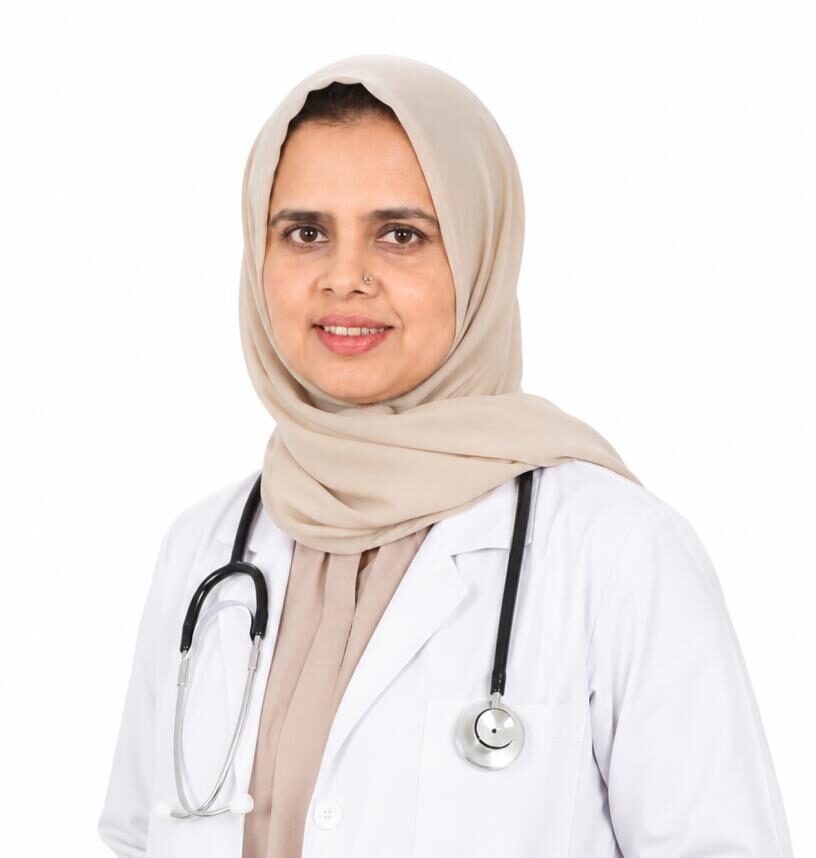
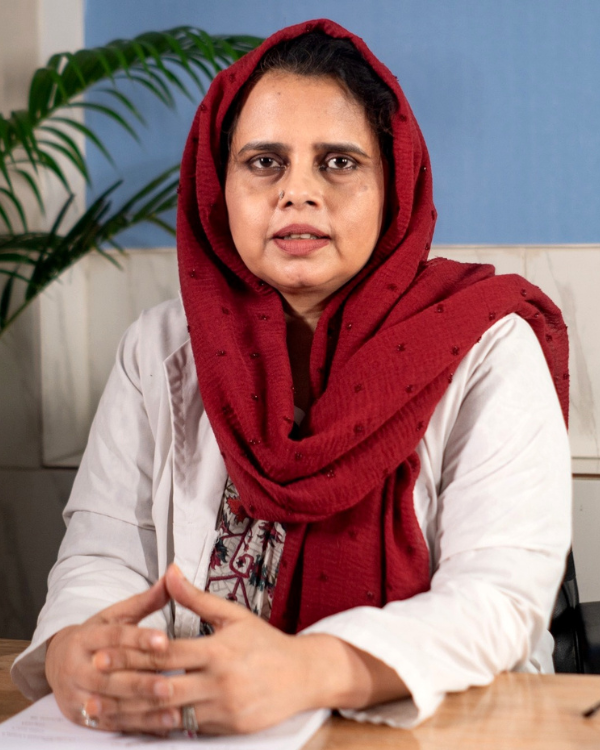
Dr. Reshma Aziz is a female surgeon whose documented training and experience include colorectal surgery, rectal surgery and LASER proctology. Her background is relevant for patients seeking a private piles consultation in Dhaka, including women who feel more comfortable discussing anorectal symptoms with a female doctor.
Relevant qualifications and experience:
Why consult Dr. Reshma Aziz for lower-GI and colorectal concerns?
Dr. Reshma Aziz has worked clinically since 1996. She holds an MBBS, MS in Paediatric Surgery, Postgraduate Diploma in Colorectal Surgery and Master of Public Health. She completed colorectal surgery training in 2001 and LASER Proctology training in 2023.
Her professional history includes Dhaka Shishu Hospital, Apollo Hospital Dhaka, Square Hospitals, Ibn Sina Diagnostic Center and Shifa International Hospitals in Pakistan. She is a consultant in surgery and family practice at Dhaka Lab.
Can You Discuss Piles Privately With a Female Surgeon?
Yes. Dr. Reshma Aziz provides a respectful setting for patients who prefer to discuss bleeding, swelling, pain, prolapse, bowel habits, pregnancy-related piles or postnatal anorectal concerns with a female surgeon.
You can ask what an examination involves before it begins. A clinically appropriate examination should be explained, based on consent and performed with privacy measures such as a closed clinical space and draping. You may ask whether a chaperone or support-person arrangement is available under the facility’s policy.
What Related Anorectal Services May Be Relevant?
Anal Fissure Treatment
Assessment for a small tear in the anal canal that can cause sharp pain and bright red bleeding during or after a bowel movement.
Anal Fistula and Abscess Assessment
Evaluation of recurrent swelling, pus, fever, a painful abscess or a persistent tract between the anal canal and skin.
Rectal Bleeding Evaluation
Clinical assessment when bleeding is new, repeated, unexplained or linked with bowel-habit change, weakness or weight loss.
Frequently asked questions
Does rectal bleeding always mean piles?
No. Piles are a common cause of bright red bleeding, but fissures, inflammation, polyps and other colorectal conditions can also bleed. New or recurring rectal bleeding should be assessed instead of being self-diagnosed.
Will every patient need piles surgery?
No. Many patients begin with fibre, fluid guidance, bowel-habit changes, stool-softening treatment or prescribed medicines. Office procedures or piles surgery may be considered when symptoms, prolapse, external disease or response to earlier care makes them appropriate.
How long does piles treatment take?
The timeframe depends on the diagnosis and chosen treatment. Mild symptoms may be reviewed after about one week of appropriate home care. A banded internal haemorrhoid often separates in about 5 to 7 days, while surgery has a different recovery period. The treating surgeon should provide the timeframe for the exact procedure.
How much does piles treatment cost in Dhaka?
Bring prescriptions, test results, colonoscopy or imaging reports, a medicine list and notes about symptom timing. Tell the doctor about pregnancy, allergies, diabetes and blood-thinning medicine.
Is LASER piles treatment suitable for everyone?
There is no accurate single price before assessment. Consultation, investigations, medicines, clinic procedures, anaesthesia, hospital charges and surgery may be billed separately. Ask the booking team for the current consultation fee, then request a written estimate if a procedure is advised.
What should I bring to a piles consultation?
No. Suitability depends on whether the haemorrhoids are internal, external or mixed, the degree of prolapse, previous treatment, bleeding risk and overall health. LASER training is relevant expertise, but the technique should only be selected when it fits the clinical findings.
Can women request a female piles doctor in Dhaka?
Yes. Dr. Reshma Aziz provides colorectal and anorectal consultation as a female surgeon. Patients can ask about privacy, examination steps and chaperone arrangements before the visit.
Is the Mohammadpur chamber convenient from Adabor and Shyamoli?
Dhaka Lab is at 1/20 Humayun Road, College Gate, Mohammadpur, opposite Shaheed Suhrawardy Medical College Hospital. It is accessible from Adabor and Shyamoli through Ring Road, Mirpur Road and nearby local routes, although travel time varies with traffic.
Can I receive a diagnosis through WhatsApp?
WhatsApp can be used to request appointment information, but a message or photograph cannot replace a clinical examination. Do not send intimate photographs or complete medical records through an unsecured channel unless the authorised clinical team specifically requests them and explains how they will be handled.
Where can I book a piles consultation with Dr. Reshma Aziz?
Appointments are listed at Dhaka Lab in Mohammadpur and Cure Medical Center & Hospital in Gulshan-2. Call +88 01948-444999 or message +88 01775-731935 on WhatsApp and confirm the chamber, date, time, serial and fee before travelling.
Where can I see Dr. Reshma Aziz in Dhaka?
Dhaka Lab, Mohammadpur
Address: 1/20 Humayun Road, College Gate, Mohammadpur, Dhaka 1207
Nearby: Behind Muktijoddha Tower and opposite Shaheed Suhrawardy Medical College Hospital
Convenient for: Mohammadpur, Adabor, Shyamoli, Lalmatia, Dhanmondi, Kallyanpur, Mirpur and nearby areas
Cure Medical Center & Hospital, Gulshan-2
Address: House 15, Road 42, Gulshan-2, Dhaka 1212
Nearby: Beside Banani 11 Bridge and opposite Lakeshore Hotel
Convenient for: Gulshan, Banani, Baridhara, Badda, Mohakhali, Niketan, Bashundhara and nearby areas
Schedule note: Visiting hours can change because of surgery, hospital duties, emergencies or public holidays. Confirm the latest schedule and serial before leaving home.
Ready to Discuss Your Symptoms Privately?
Book a piles consultation with Dr. Reshma Aziz for an individual assessment and a clear explanation of the appropriate next step. Choose Mohammadpur or Gulshan-2 when contacting the appointment team
If bleeding is heavy, you feel faint, or pain and fever are severe, seek urgent medical care instead of waiting for a routine appointment.
Medical reviewer: Dr. Reshma Aziz, to be displayed only after her review and approval
Last medically reviewed: Add the actual approval date before publication
Medical disclaimer: This page provides general educational information. It does not replace an individual diagnosis, examination or treatment plan from a qualified medical professional. Treatment choice, risks, recovery and cost vary by diagnosis, health status, facility and procedure